

What is Regenerative Farming?
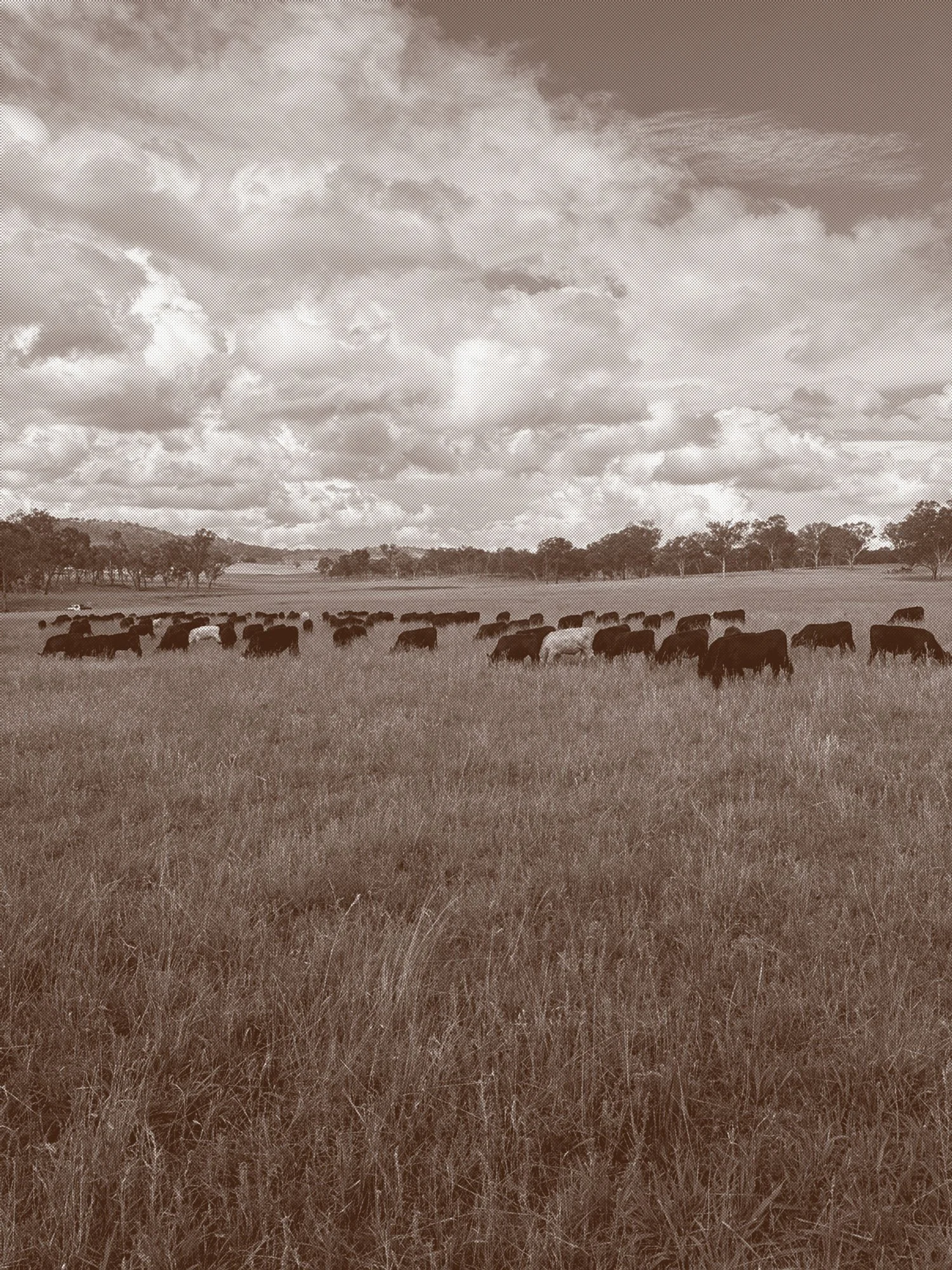
At Parallel Pastures, we believe better beef starts beneath the surface. Regenerative farming is about working with natural systems to improve soil health, care for animals properly and leave the land better for future generations.
It’s a long-term approach to farming that focuses on restoring balance to the landscape rather than simply extracting from it. Healthy soil produces healthier pasture, healthier cattle and ultimately, better tasting beef.
Why does it matter?
Modern farming can often strip nutrients from the land over time. Regenerative farming aims to reverse this by rebuilding soil biology, improving biodiversity and supporting stronger ecosystems.
Our commitment to regenerative farming
For us, regenerative farming is about leaving the land better than we found it while producing high quality beef with integrity. This look likes:
Rotating cattle to allow pasture to recover naturally
Keeping ground cover healthy to protect soil
Supporting biodiversity across the property
Reducing unnecessary inputs and intervention
Prioritising animal wellbeing and low stress handling
The result is nutrient-rich pasture, resilient land and naturally better quality beef.
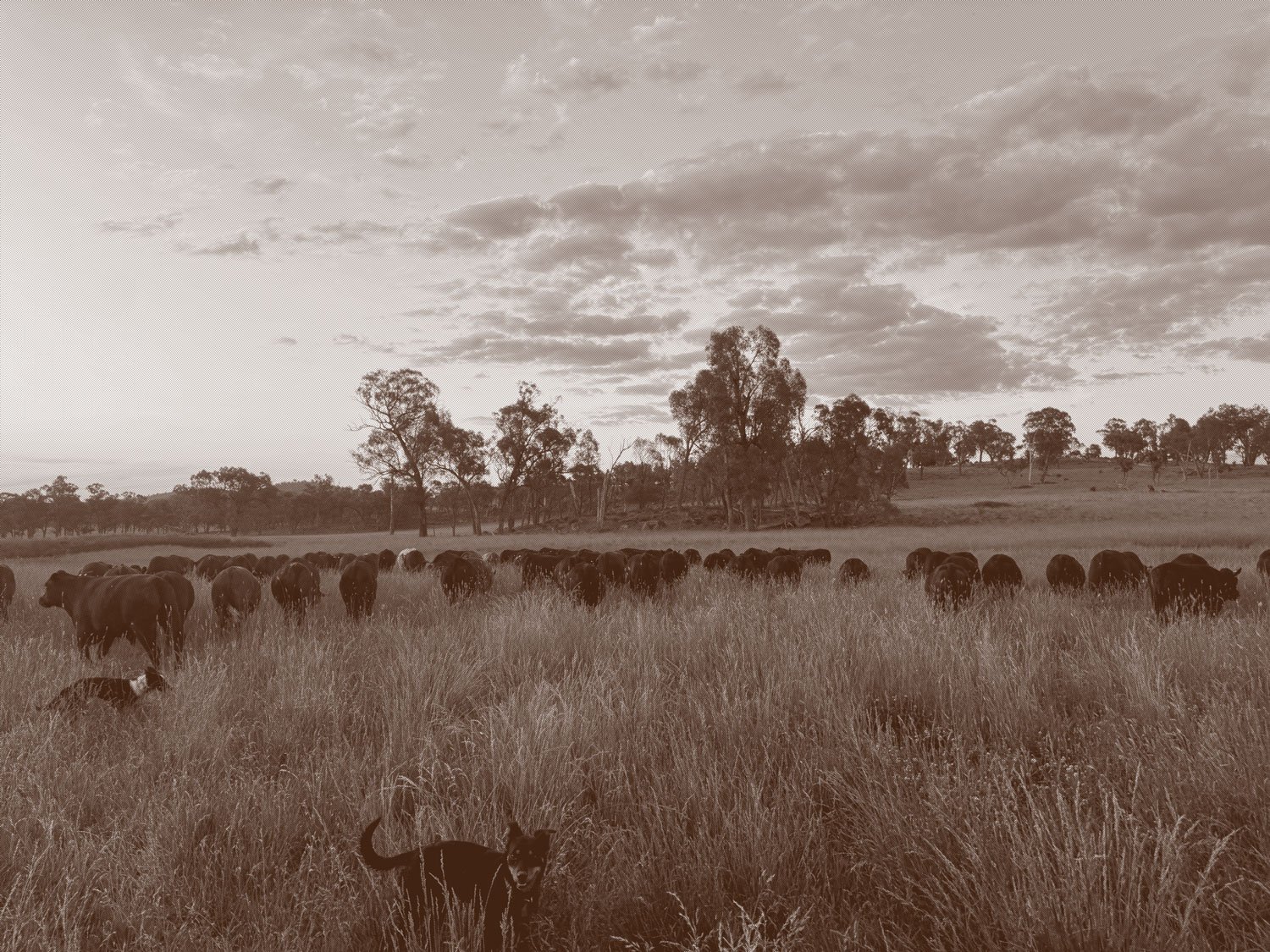
Better for the land. Better on your plate.
When soil is healthy, everything above it benefits too. Healthy pasture supports cattle naturally, creating beef that is rich in flavour and raised the way nature intended.
Regenerative farming wasn’t always the norm, especially in a small farming community like Tenterfield. Parallel Pastures was created to do things differently, and leave the land in a better condition than we inherited it.